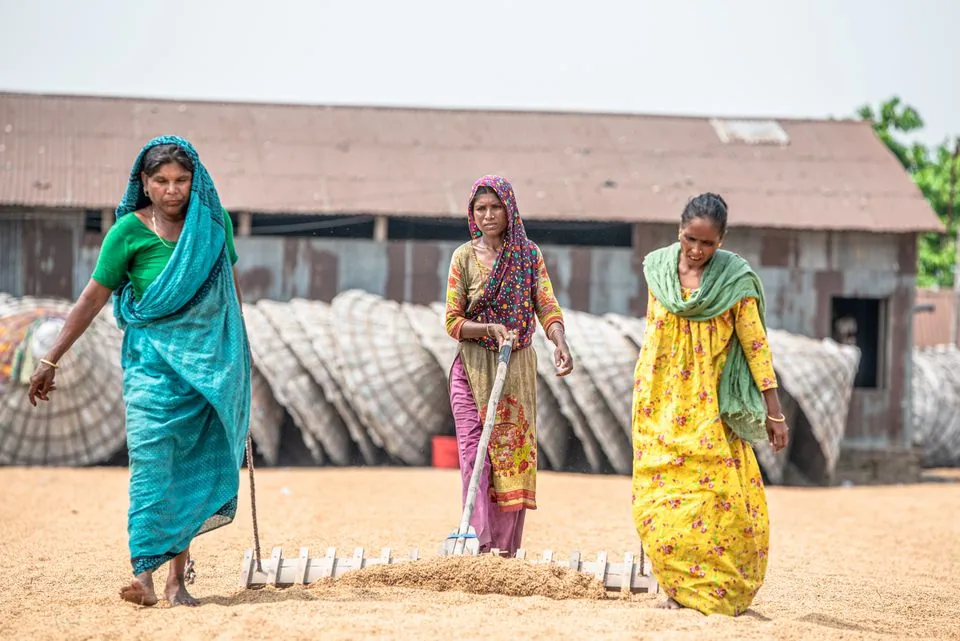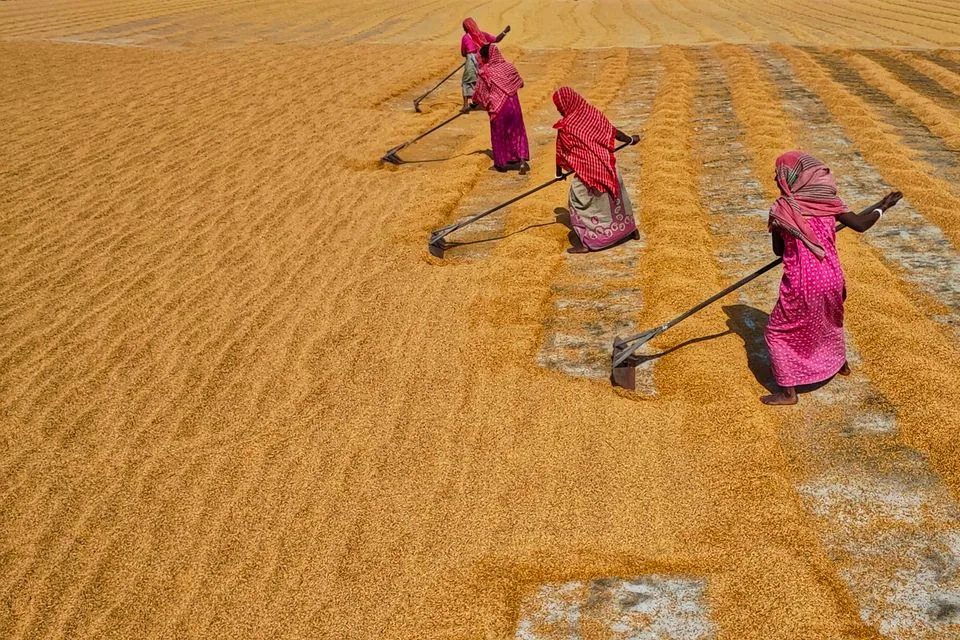
A farm decision depends on more than the expected harvest. It also depends on water, labour, soil, timing and the ability to recover if the season goes badly. Climate-resilient agriculture brings those risks into the planning conversation rather than treating them as an afterthought.
Resilience is a local planning process, not a single crop or technology that works everywhere.
An Indian research and extension foundation
An ICAR article on climate-resilient farming describes the National Innovations in Climate Resilient Agriculture (NICRA) network as spanning natural resource management, crops, horticulture, livestock and fisheries. This range is important: agricultural resilience involves connected parts of a farming system, not only the choice of seed. [1]
The implication for a local programme is to seek advice that reflects its actual farming conditions. Demonstrations and discussions with agricultural extension specialists can help farmers assess a practice before adopting it more widely.
Make a seasonal risk calendar
A useful group exercise is to mark sowing, harvesting, water availability and labour peaks on a calendar, then discuss periods of difficulty from recent seasons. Record differences between farms rather than assuming that every household faces the same exposure.
This exercise can reveal the questions to take to a local Krishi Vigyan Kendra or agriculture department: Which options have been tested nearby? What do they cost? What happens if rainfall arrives late? The calendar guides enquiry; it does not predict the weather.
Test changes at a manageable scale
Possible topics for local technical advice include soil cover, water management, crop choice and diversification. Their suitability depends on the crop, terrain and available resources. A practice that suits one district may not suit another.
Where feasible, compare a small trial with the usual practice and record labour, inputs and the harvest. Include the extra work required, not only the final yield. A result that looks promising should be considered across seasons before being treated as dependable.
Sources & further reading
This explainer draws on the public resources below. Practical examples illustrate approaches to programme design.
Explore how these topics connect to Empower Society’s programmes in Uttarakhand.