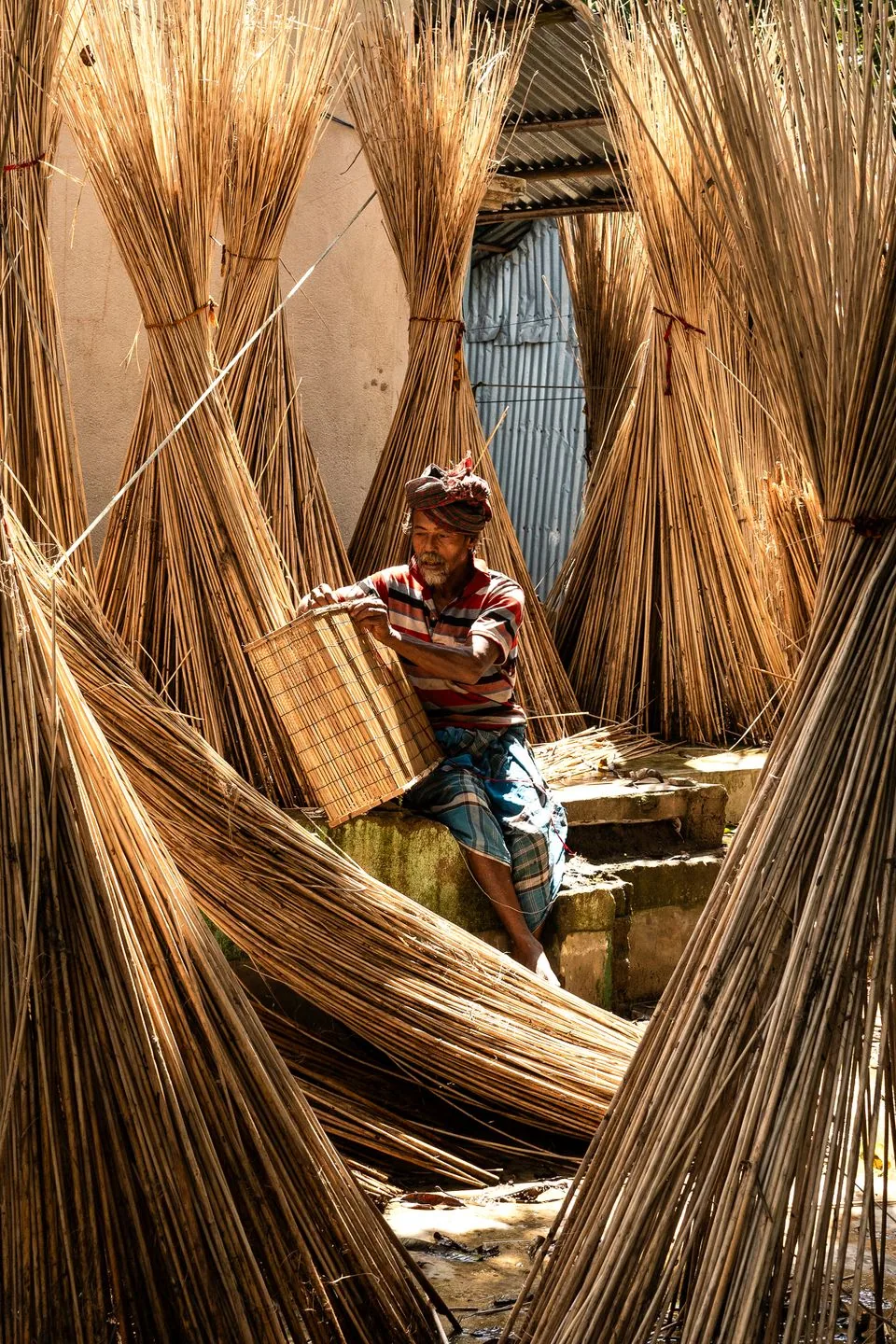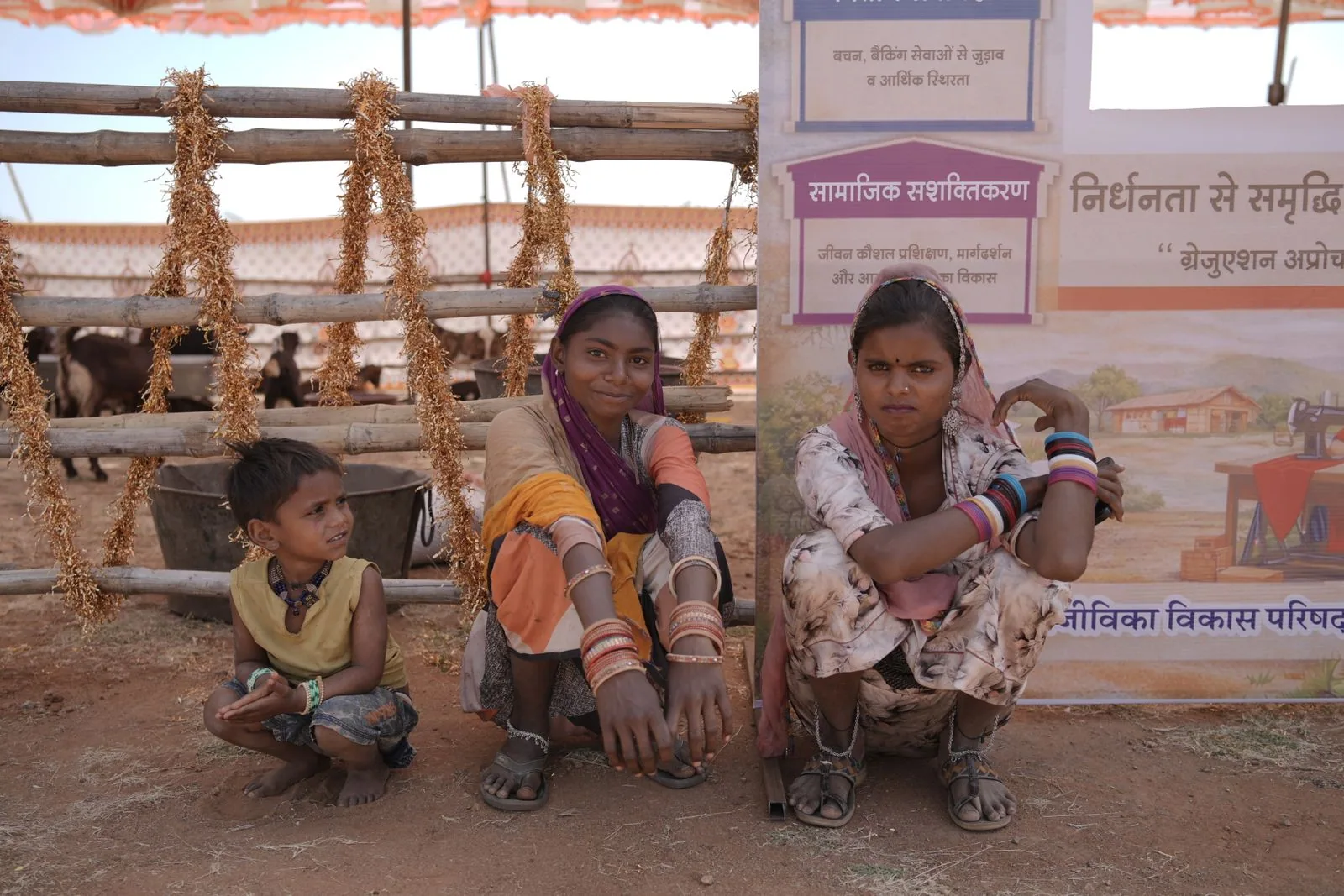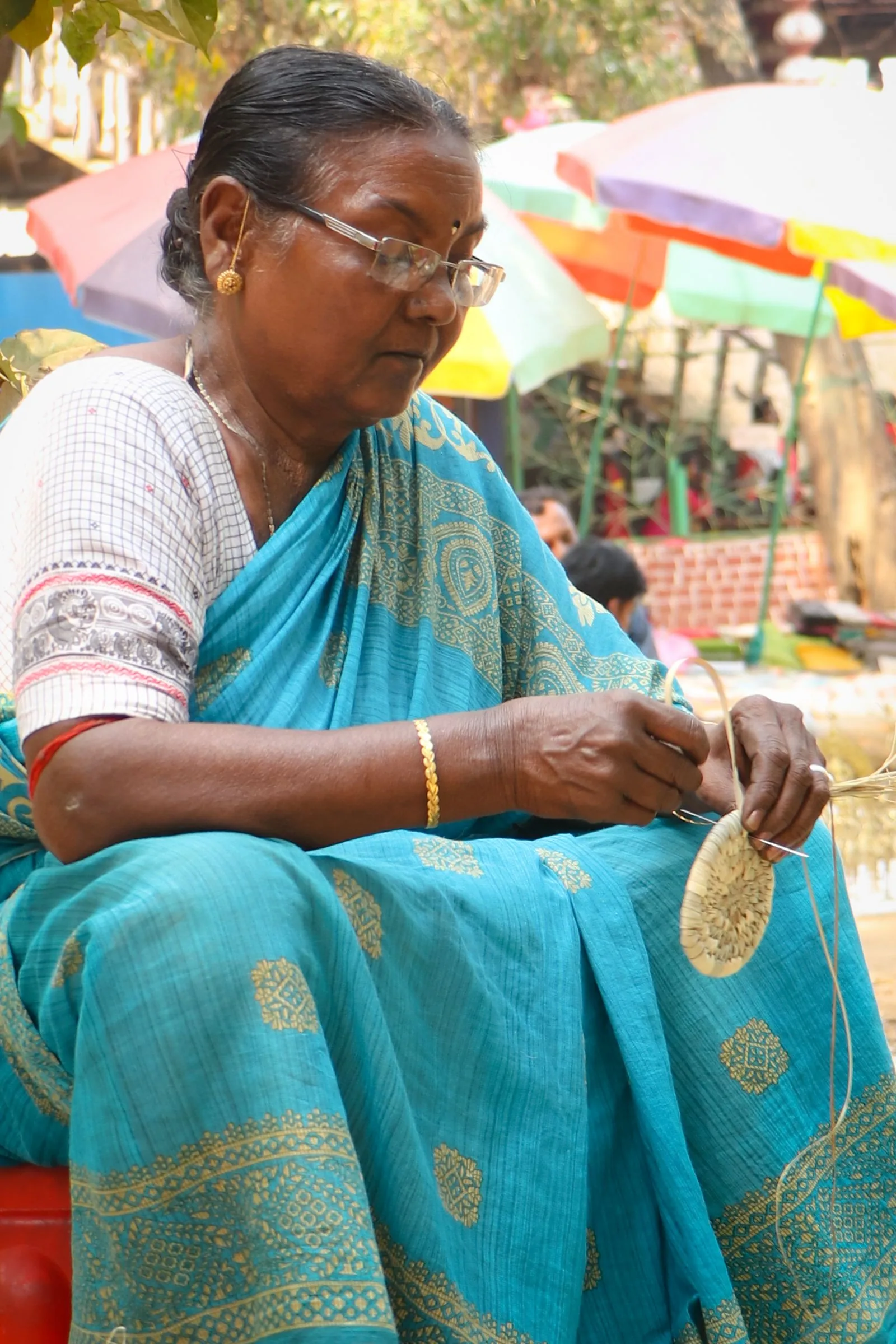
A handmade basket carries more than the cost of its raw material. It holds a maker’s time, judgement and accumulated skill. For women artisans, turning that skill into reliable earnings requires attention to the whole journey: sourcing, production, pricing, selling and getting paid.
A stronger craft enterprise gives women a say in prices, payments and the direction of their work.
The strength of working together
India’s Deendayal Antyodaya Yojana–National Rural Livelihoods Mission (DAY-NRLM) supports rural women through self-help groups and their institutions. In a March 2025 statement, the Ministry of Rural Development described marketing support that includes SARAS fairs, the SARAS Collection on Government e-Marketplace and eSARAS. These are examples of public infrastructure intended to connect producers with buyers. [1]
For a craft group, a useful starting point is a shared record of material purchases, orders and payments. Clear responsibilities help members decide who handles a buyer enquiry, checks quality or follows up on a delayed payment.
Price the work, as well as the material
Consider a basket-making group preparing its first wholesale quotation. Its worksheet should include fibre, dyes, transport, packaging, time spent making each piece and an allowance for rejected items. This is an illustrative planning exercise, not an account of a particular group’s earnings.
Recording time matters because an apparently profitable order can leave very little for the maker. Before accepting a large order, the group can make a small batch, check the actual effort and agree on a price and payment schedule.
Build market readiness one order at a time
A simple catalogue can show dimensions, materials, care instructions and realistic production times. Good photographs help, but accuracy is equally important: a customer should know what variation to expect from a handmade item.
Try a manageable order before committing to repeat supply. Keep a record of customer feedback and returns, and ask whether packaging protects the product without making delivery too expensive. Digital sales work best when someone has the time and skills to maintain the catalogue and respond to customers.
Make independence part of the outcome
Sales alone do not tell the whole story. A useful review asks who controls the earnings, whether work hours are manageable, and whether women can influence business decisions. Meetings should give quieter members a chance to question costs and proposed orders.
The practical goal is an enterprise that its makers understand and can shape. That calls for patient support with records, negotiation and leadership alongside craft training.
Sources & further reading
This explainer draws on the public resources below. Practical examples illustrate approaches to programme design.
Explore how these topics connect to Empower Society’s programmes in Uttarakhand.