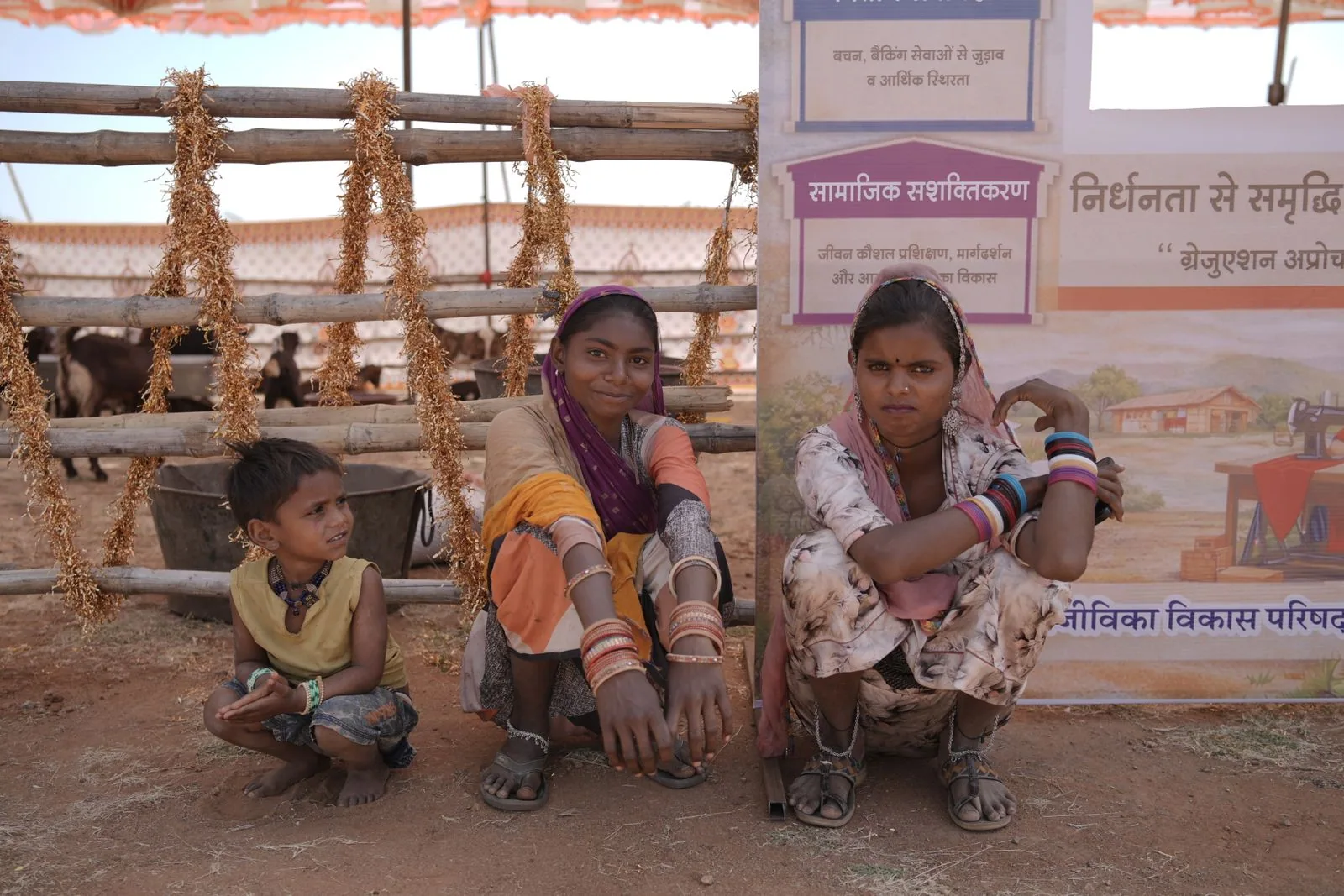
A community meeting can reveal problems that a project proposal misses: a water point that is difficult to reach, training held during the working day, or a path that becomes unusable in the rains. Listening is the beginning. The harder work is turning those observations into decisions that residents can understand and review.
Participation is meaningful when people can influence priorities and see what happens after a meeting.
India’s framework for local planning
The Ministry of Panchayati Raj’s People’s Plan Campaign describes Gram Panchayat Development Plans as a participatory process for economic development and social justice. The framework connects local planning with resources and the work of relevant government departments, with planning discussions through the Gram Sabha. [1]
A community exercise can inform that process by organising local evidence and making priorities easier to discuss. It should not be presented as a substitute for the formal responsibilities of the Panchayat or Gram Sabha.
Make room for different experiences
A practical facilitation approach is to combine an open meeting with smaller conversations. Invite women, young people, older residents, people with disabilities and households from less-heard settlements to explain what affects their daily lives.
For example, residents can sketch important services and routes, then discuss where seasonal difficulties occur. Treat the sketch as a conversation tool that participants can correct. Avoid assuming that the first map or the loudest account represents everyone.
Turn a list of problems into a shared plan
Ask participants to compare proposed actions using criteria they agree on: urgency, number of people affected, accessibility, likely cost and responsibility for upkeep. Keep both the decision and the reasons for it visible.
An illustrative action record might identify a blocked drain, the office to contact, a named follow-up person and a date to report back. Recording an unresolved issue is more honest than implying that a meeting has already solved it.
Close the feedback loop
Before the next meeting, share a short update in a form residents can access. Explain what has moved forward, what remains pending and which questions need another decision. Invite corrections to the record.
The quality of participation can be reviewed through simple questions: Who attended? Who spoke? Whose proposal changed the plan? Who could not attend? These questions help facilitators improve the next conversation rather than counting attendance as the only outcome.
Sources & further reading
This explainer draws on the public resources below. Practical examples illustrate approaches to programme design.
Explore how these topics connect to Empower Society’s programmes in Uttarakhand.